What is DKA (Diabetic Ketoacidosis)? Warning Signs & Dangers Explained
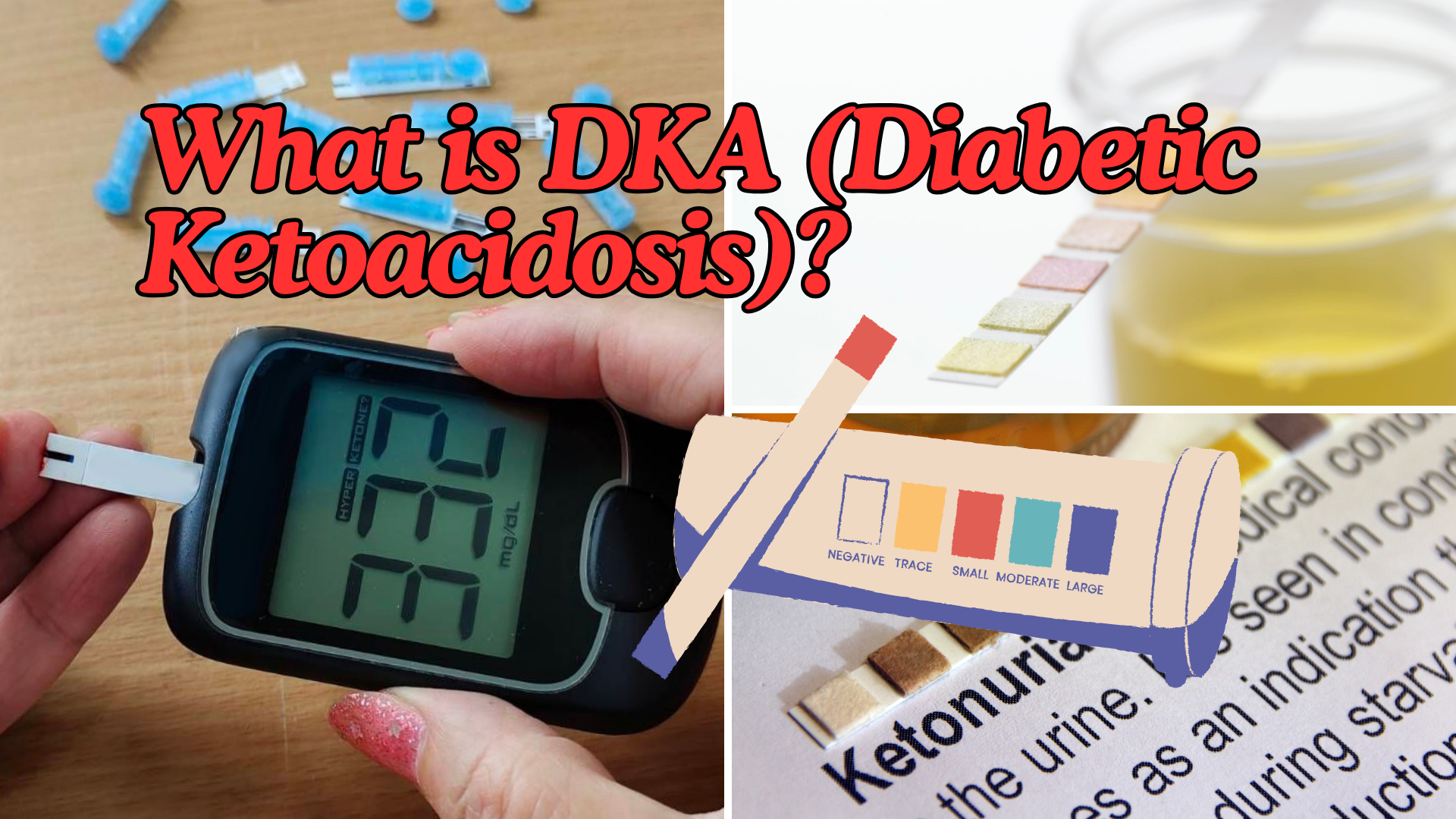
What is DKA and Why Should You Care?
If you have diabetes and use insulin, there's an important condition you need to know about. It's called DKA, which stands for diabetic ketoacidosis. Think of DKA like a car running out of gas and starting to burn its own parts for fuel. It's serious, but knowing what it is can help keep you safe.
How Your Body Normally Gets Energy
Your body is like a car that needs fuel to run. The best fuel for your body is sugar (glucose). Your brain, muscles, and other parts of your body love to use glucose for energy. It's like premium gas for your car.
But what happens when your body can't use that sugar? That's when problems start.
When Your Body Burns Fat Instead
When your body can't use the sugar in your blood, it looks for another fuel source. It starts breaking down fat. Now, burning fat might sound good – after all, many people want to lose weight. But in DKA, this fat-burning happens in a dangerous way.
When fat breaks down, it creates something called ketones. Think of ketones like smoke from a fire. A little smoke might be okay, but too much smoke is dangerous. Ketones are acidic, which means they make your blood more like vinegar instead of water. Your body doesn't like this at all.
Why Does DKA Happen?
DKA usually happens for three main reasons:
You're not getting any sugar from food - Like not putting gas in your car
Your body can't use the sugar you have - Like having gas in the tank but a broken fuel pump
You don't have enough insulin - Like missing the key ingredient that helps your body use sugar
The third reason is the most dangerous for people with diabetes. Without enough insulin, sugar piles up in your blood, but your cells are starving. It's like being surrounded by food you can't eat.
Why is DKA So Dangerous?
Left untreated, DKA can be life-threatening. Those ketones (the "smoke" we talked about) build up and make your blood too acidic. This affects how your heart beats, how you breathe, and how your brain works.
In severe cases, DKA can lead to:
Confusion or trouble thinking clearly
Extreme tiredness
Coma
Even death
This is why we take DKA very seriously. The good news? You can learn to spot the warning signs early and take action.
Who is at Risk?
You're at higher risk for DKA if you:
Have type 1 diabetes
Have type 2 diabetes and make very little insulin
Use insulin injections or an insulin pump
Have been sick or stressed
Missed insulin doses
The Bottom Line
DKA is your body's emergency signal that something is very wrong. It's like your car's check engine light – you can't ignore it. But with knowledge and the right plan, you can prevent DKA from happening.
In our next posts, we'll talk about how DKA is different from ketosis (a diet trend you might have heard about) and exactly what to do if you think you might be experiencing DKA.
Remember: Always talk with your doctor about your personal risk for DKA and create a prevention plan that works for you. Your healthcare team is your best partner in staying safe and healthy.
Important Notice: This information is for educational purposes and is not intended as a substitute for medical care or medical advice from your doctor or healthcare team. Always talk to your doctor or healthcare team before making any changes to your diet, medications, or exercise routine.