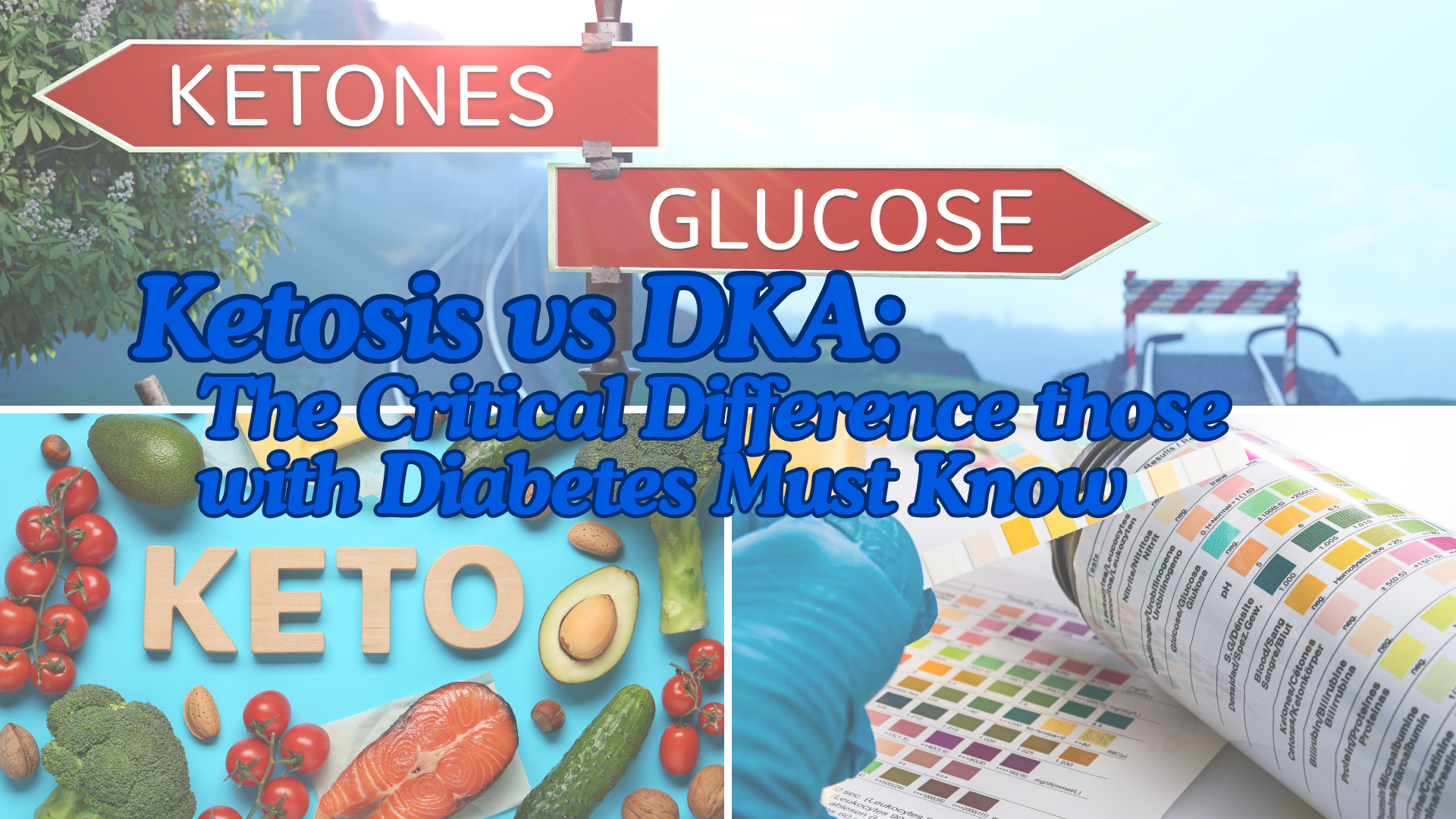
Ketosis vs DKA: The Critical Difference those with Diabetes Must Know
Wait - Aren't Ketones Good?
You might be confused right now. Maybe you've heard people talking about the "keto diet" or friends trying to "get into ketosis" to lose weight. They're excited about ketones. They're testing for them. They want MORE ketones!
So how can ketones be good for some people but dangerous for others? Great question! Let's clear up this confusion once and for all.
What is Ketosis?
Ketosis is a natural state your body can enter when you eat very few carbohydrates. Remember, carbohydrates break down into glucose (sugar), which is your body's favorite fuel.
When you stop eating carbs, your body says, "Okay, no glucose coming in? Let me use the backup fuel - stored fat!"
This is exactly what people want when they're trying to lose weight. They WANT their body to burn stored fat. So they follow very low-carb diets (like keto diets) to make this happen.
When fat burns, it releases ketones. In nutritional ketosis (the kind from dieting), you have:
LOW blood sugar (because you're not eating carbs)
WORKING insulin (your body can still regulate things)
CONTROLLED ketone levels (just enough to burn fat, not enough to be dangerous)
Think of it like a controlled campfire. You want the fire to burn steadily to keep you warm and cook your food. That's nutritional ketosis.
What is Ketoacidosis (DKA)?
Ketoacidosis is a medical emergency that happens when you DON'T have enough insulin. It's completely different from ketosis, even though both involve ketones.
In ketoacidosis, you have:
HIGH blood sugar (glucose is piling up because there's no insulin to help cells use it)
NO or VERY LITTLE insulin (that's the problem!)
DANGEROUS ketone levels (way too many, making your blood acidic)
Think of this like a wildfire out of control. The fire is burning everything in its path and creating dangerous, toxic smoke. That's ketoacidosis.
The Key Difference: Insulin
Here's the most important thing to understand:
Ketosis = You CHOOSE to avoid carbs. Your insulin still works. Your body burns fat in a controlled way. Safe for most people without diabetes.
Ketoacidosis = Your body is FORCED to burn fat because you don't have enough insulin. It's uncontrolled and dangerous. A medical emergency for people with diabetes.
It's like the difference between:
Choosing to fast for a day (controlled, intentional)
Starving because you have no food (uncontrolled, dangerous)
Both involve not eating, but one is a choice and one is an emergency!
Can People with Diabetes Do Keto Diets?
This is tricky. Some people with type 2 diabetes do follow low-carb or keto diets successfully. BUT they need to:
Work closely with their doctor
Monitor blood sugar and ketones carefully
Adjust medications appropriately
Know the warning signs of DKA
For people with type 1 diabetes or insulin-dependent type 2 diabetes, keto diets can be risky. Without careful monitoring, you could accidentally trigger DKA.
Never, ever try a keto diet without talking to your doctor first if you have diabetes and use insulin.
How to Tell the Difference
Here's a simple checklist:
Signs of Safe Ketosis:
Blood sugar is normal (NOT HIGH!)
You feel okay (maybe a little tired at first)
Ketones are low to moderate
You're eating a very low-carb diet intentionally
You don't have diabetes or you manage it well with your doctor's guidance
Signs of Dangerous Ketoacidosis:
Blood sugar is HIGH (usually over 250)
You feel terrible (nauseous, tired, confused)
Ketones are moderate to high
You may have fruity-smelling breath
You haven't had enough insulin
This is a MEDICAL EMERGENCY - call your doctor!
The Bottom Line
Just because two things share a name doesn't make them the same. Ketosis and ketoacidosis both involve ketones, but that's where the similarity ends.
Ketosis = Diet choice (usually safe for people without diabetes)
Ketoacidosis = Medical emergency (dangerous for everyone, especially people with diabetes)
If you use insulin, focus on preventing ketoacidosis, not on achieving ketosis. Your priority is keeping your blood sugar in range and making sure you always have enough insulin.
What You Should Do
Understand YOUR situation - Talk to your doctor about whether dietary changes are safe for you
Don’t skip insulin - Even if you're trying a low-carb diet
Test ketones when blood sugar is high - Especially if it's unexplained or won't come down
Know the difference - Ketosis is controlled; ketoacidosis is an emergency
Share this info - Help other people with diabetes understand this important distinction
Remember: when it comes to ketones and diabetes, context is everything. What's safe for one person might be dangerous for another. Always, always talk to your healthcare team before making changes to your diet or insulin routine.
In our next post, we'll dive deep into exactly what warning signs to watch for and what to do if you suspect DKA. Stay tuned!
Important Notice: This information is for educational purposes and is not intended as a substitute for medical care or medical advice from your doctor or healthcare team. Always talk to your doctor or healthcare team before making any changes to your diet, medications, or exercise routine.