
What Is Insulin and Why It’s Important
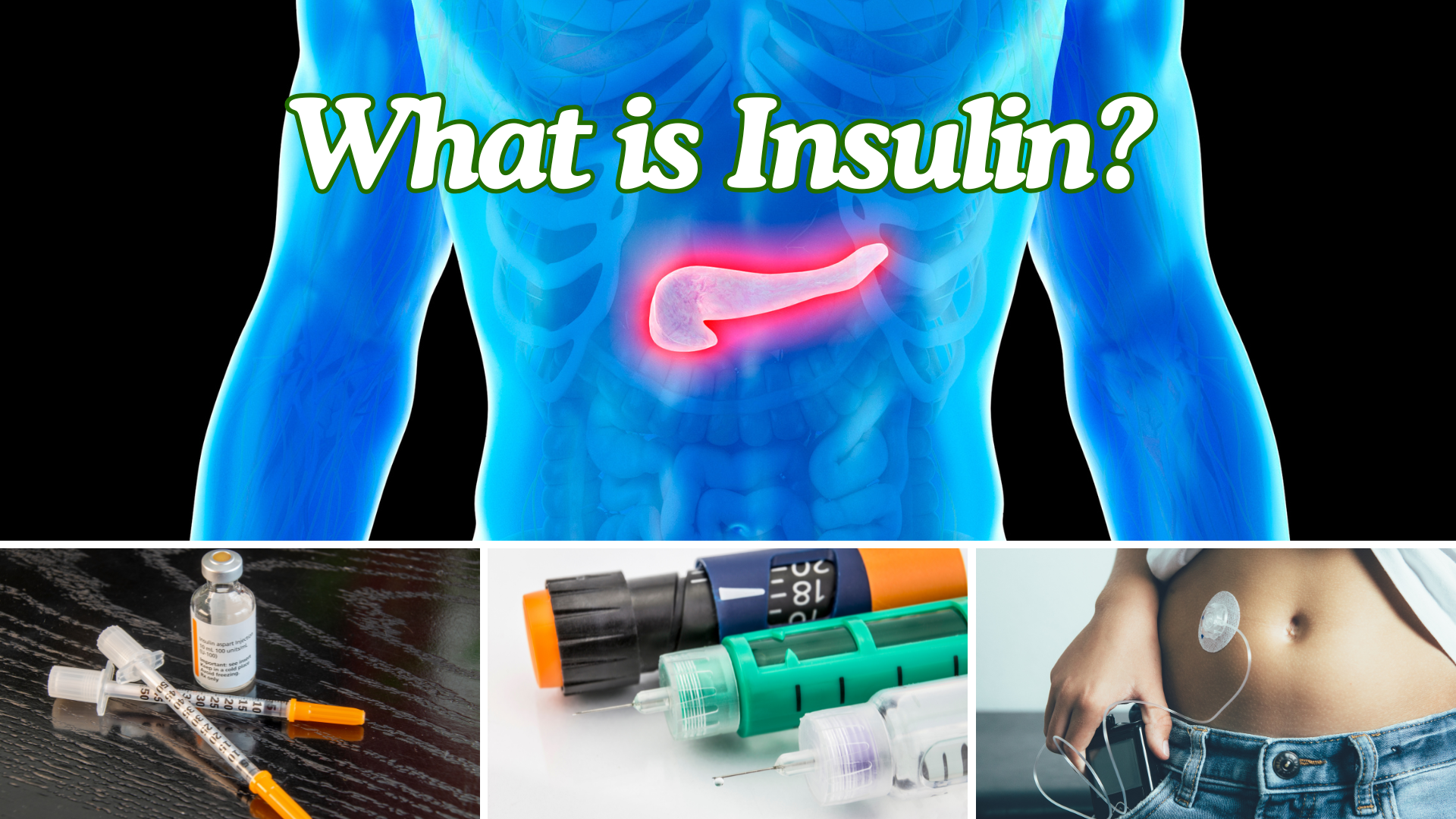
Insulin is a hormone that helps control the amount of sugar (glucose) in your blood. In this article, you’ll learn what insulin is, how it works, and why it matters if you have diabetes.
What Is Insulin?
Inside your torso is an organ called the pancreas. It has special beta cells that make insulin — a hormone that acts like a key.
That key helps sugar, also known as glucose, from your blood enter your body’s cells. Once inside, sugar turns into energy that your body needs to work properly.
When there isn’t enough insulin, sugar stays in the blood and builds up, making your glucose level high. Over time, high blood sugar can damage your eyes, kidneys, and nerves.
People with type 1 diabetes make no insulin of their own and will take insulin as their treatment. Some people with type 2 diabetes may also take insulin as part of their treatment.
How Does a Healthy Pancreas Make Insulin?
A healthy pancreas releases insulin in two main ways:
All day long (in small amounts): This keeps your blood sugar steady when you’re not eating, such as between meals or overnight.
After you eat (in larger amounts): When you eat, blood sugar rises. The pancreas sends out more insulin to help bring levels back down quickly.
Why Carbohydrates Matter
Carbohydrates — like bread, rice, fruit, and sweets — turn into sugar inside your body.
That’s why it’s important to eat them in right-sized portions and combine them with other foods to help keep sugar levels steady.
A great way to plan balanced meals is by using the Plate Method — a simple, visual guide that helps control carbs without counting every gram.
👉 Learn more in our related article: How to Build a Healthy Plate for Diabetes
Who Needs Insulin?
Insulin is prescribed as a treatment for persons with:
Type 1 diabetes: The body no longer makes insulin due to beta cells being destroyed, so it must be taken every day.
Type 2 diabetes: Some people may need insulin depending on their blood sugar patterns and their treatment plan.
Ways to Take Insulin
There are different ways to take insulin, depending on what fits best for you:
💉 Injections with a syringe or insulin pen
📟 Insulin pump or patch pump
🌬️ Inhaled insulin (powder you breathe through the mouth)
Ask your healthcare provider which option is right for your lifestyle and needs.
Why Checking Blood Sugar Matters
If you use insulin, it’s important to monitor your blood sugar regularly.
This helps prevent your sugar from going too high or too low and shows if your doses are working. Bring your glucose readings logbook to every visit with your doctor or diabetes educator. Your glucose records will help provide feedback to your care team of how your current treatment plan is working for you.
Consider a Continuous Glucose Monitor (CGM)
A Continuous Glucose Monitor (CGM) is a small sensor worn on the skin. It checks your sugar levels all day and night — giving real-time data.
CGMs help people who use insulin see patterns and make smarter decisions about food, insulin, and activity. Ask your healthcare provider if a CGM might be a good fit for you.
Key Points to Remember
✔️ The pancreas makes insulin.
✔️ Insulin helps sugar enter the cells for energy.
✔️ People with type 1 diabetes always need insulin.
✔️ People with type 2 diabetes may or may not need it.
✔️ Carbohydrates raise blood sugar.
✔️ Checking your glucose is essential if you use insulin.
✔️ A CGM can make blood sugar control easier.
Have Questions?
Every person with diabetes is different. Always talk to your doctor or diabetes educator before making any treatment changes.
Your healthcare team can help you find the best plan for you.
💕 Share and Learn More
Did you find this helpful? Share it with a friend or family member!
Explore more articles about diabetes, nutrition, and health in English and Spanish on our Datos Dulces Blog.
Important Notice: This information is for educational purposes and is not intended as a substitute for medical care or medical advice from your doctor or healthcare team. Always talk to your doctor or healthcare team before making any changes to your diet, medications, or exercise routine.