
Meal Replacement Shakes and Supplements: What a Dietitian Wants You to Know
Life Gets Busy. Some days, it's just not possible to prepare a balanced meal at home. Maybe you're running late, skipping lunch between meetings, or you simply don't have the energy to cook. That's where meal replacement shakes and nutritional supplements come in.
But are they actually good for you? Are some better than others? And are there any you should avoid?
Let's review this together — in a simple and straightforward way.
What Are Meal Replacements?
A meal replacement is a shake that stands in for a full meal. It can come ready to drink or as a powder, and it gives you protein, carbohydrates, fat, vitamins, and minerals all in one serving or bottle.
Think of it as a "nutrition shortcut." It's not a perfect replacement for whole foods, but on a busy day it can be a better option than skipping meals or choosing high-calorie, low-nutrient foods.
Here's a general overview of the options available:
Complete meal replacements — Drinks like Ensure, Glucerna, or Boost fall into this group. They have enough calories, protein, and nutrients to replace a full meal.
High-protein shakes — These are drinks like Ensure Max Protein or Fairlife Protein - they have more protein, moderate calories. These can work as a meal or a post-workout option.
Snack-style supplements — Fewer calories and less protein. These are meant to replace a healthy snack, not a full meal.
Important Note: Supplements Are Not Regulated by the FDA
This is an important thing to know — and it surprises a lot of people.
In the United States, dietary supplements — like protein shakes, vitamins, and meal replacements — are not regulated by the Food and Drug Administration (FDA) the same way medications are.
What does that mean for you?
A company can put "40 grams of quality protein" on a label without anyone from the government checking it before it's sold.
Think of it this way: a prescription medication is like a car that must pass a government safety inspection before you can drive it. Supplements are more like a used car sold "as is" — you're trusting that the seller is being honest.
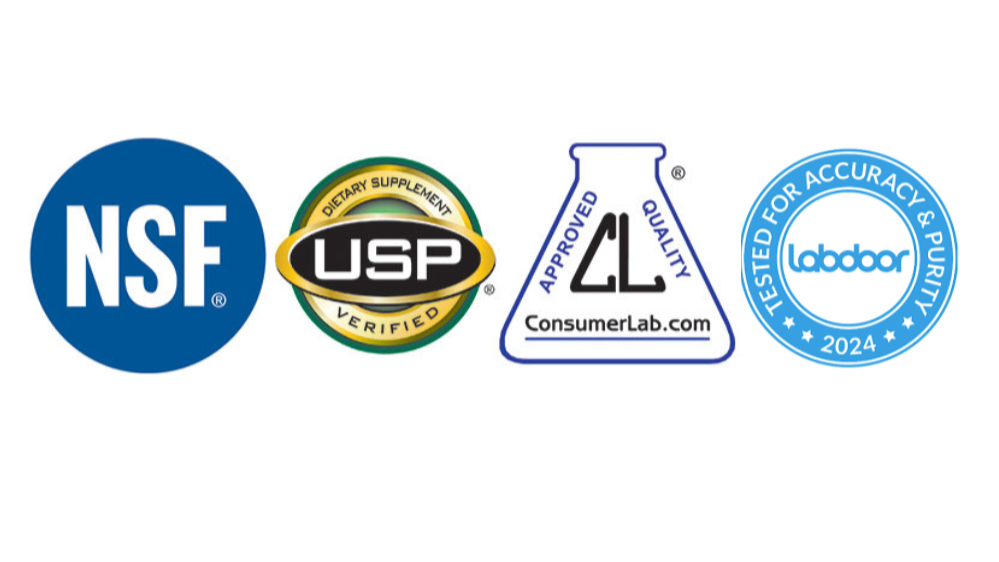
Some companies send their products to outside labs to check quality. These labs verify that what's on the label is actually in the product. If it passes, the product gets an approval seal. Look for these seals on labels — they're your best sign that a product can be trusted.
Without that independent testing, you don't really know if:
The amounts listed on the label are accurate.
The type of protein is what they claim (for example, collagen vs. whey).
The product is free from harmful substances like heavy metals.
So Which Supplements Can You Trust?
Here's what I recommend:
Choose well-known, established brands. Companies that have been around for a long time and have a good reputation have more to lose if their product is low quality.
Look for third-party testing seals. Certifications from independent labs — like NSF, USP, or Labdoor — mean that someone outside the company checked the product.
Read the label every time. Check calories, protein, carbohydrates, fat, sodium, and added sugars. I'll explain why this matters in a moment.
Make your own when possible. If you blend your own shake at home, you know exactly what's in it. You control the quality.
My Personal Favorites
I'll be honest — I use meal supplements myself! Fairlife protein shakes are one of my favorite options. Depending on which type you choose, they contain between 24 and 42 grams of protein, a solid amount of calories, and a good balance of nutrients.
I love that on a really busy day, I can grab one and know I'm not running on empty. It helps me avoid skipping meals, which I always encourage my patients to avoid too.
That said, everyone is different, so always check whether a specific product fits your goals and health needs.
What to Check on the Label — Especially if You Have a Health Condition
If you have diabetes, pay close attention to carbohydrates. Why? Because 100% of the carbohydrates you eat turn into sugar (glucose) in your body. A high-carb shake can raise your blood sugar quickly — and because it's liquid, your body absorbs it even faster than solid food.
If you have high blood pressure, watch the sodium. Many packaged and processed foods hide a lot of sodium, and too much can raise your blood pressure.
Before trying a new supplement — especially if you have a long-term health condition — write down the product name and bring it to your next appointment with your doctor or dietitian. Let your healthcare team weigh in before you start using it regularly.
And if you have diabetes, it's a good idea to check your blood sugar before the shake and again 1 to 2 hours after, to see how your body responds to the carbs in it.
About Popular Supplement Programs
There are many supplement-based programs out there — some you may have heard of, including various network marketing nutrition brands. My advice here is the same as with any supplement. Ask yourself:
Is it from a reputable manufacturer?
Has it been independently tested?
Does the label give clear nutrition information?
Does it fit my health needs?
If you can answer yes to all of those, it may be worth trying. If you can't, be cautious. And as always, bring the product name to your next appointment with your doctor or dietitian before starting it.
Should You Use Meal Replacements Every Day?
As a dietitian, I always encourage people to get their nutrition from real, whole foods as much as possible — lean proteins, complex carbohydrates, non-starchy vegetables, and healthy fats. Real food gives your body fiber, natural vitamins, and minerals in ways that shakes simply can't fully replace.
That said, I'm also realistic. Life happens. A good-quality meal replacement used every now and then — not for every meal — can be part of a healthy diet.
Think of it as your "Plan B" for days when life gets in the way of a proper meal. Not something for every day or every meal, but a useful backup.
Quick Checklist Before Buying a Supplement:
✅ Is it from a well-known, established brand?
✅ Does it have a third-party testing seal?
✅ Have you read the full nutrition label?
✅ If you have a health condition, have you checked with your doctor?
✅ Are you using it to support your diet — not replace all your meals?
Found this helpful? Share it with someone who's always on the go! And leave your supplement questions in the comments.
Important Notice: This information is for educational purposes and is not intended as a substitute for medical care or medical advice from your doctor or healthcare team. Always talk to your doctor or healthcare team before making any changes to your diet, medications, or exercise routine.