
The ABCs of Diabetes: What You Need to Know About Diabetes
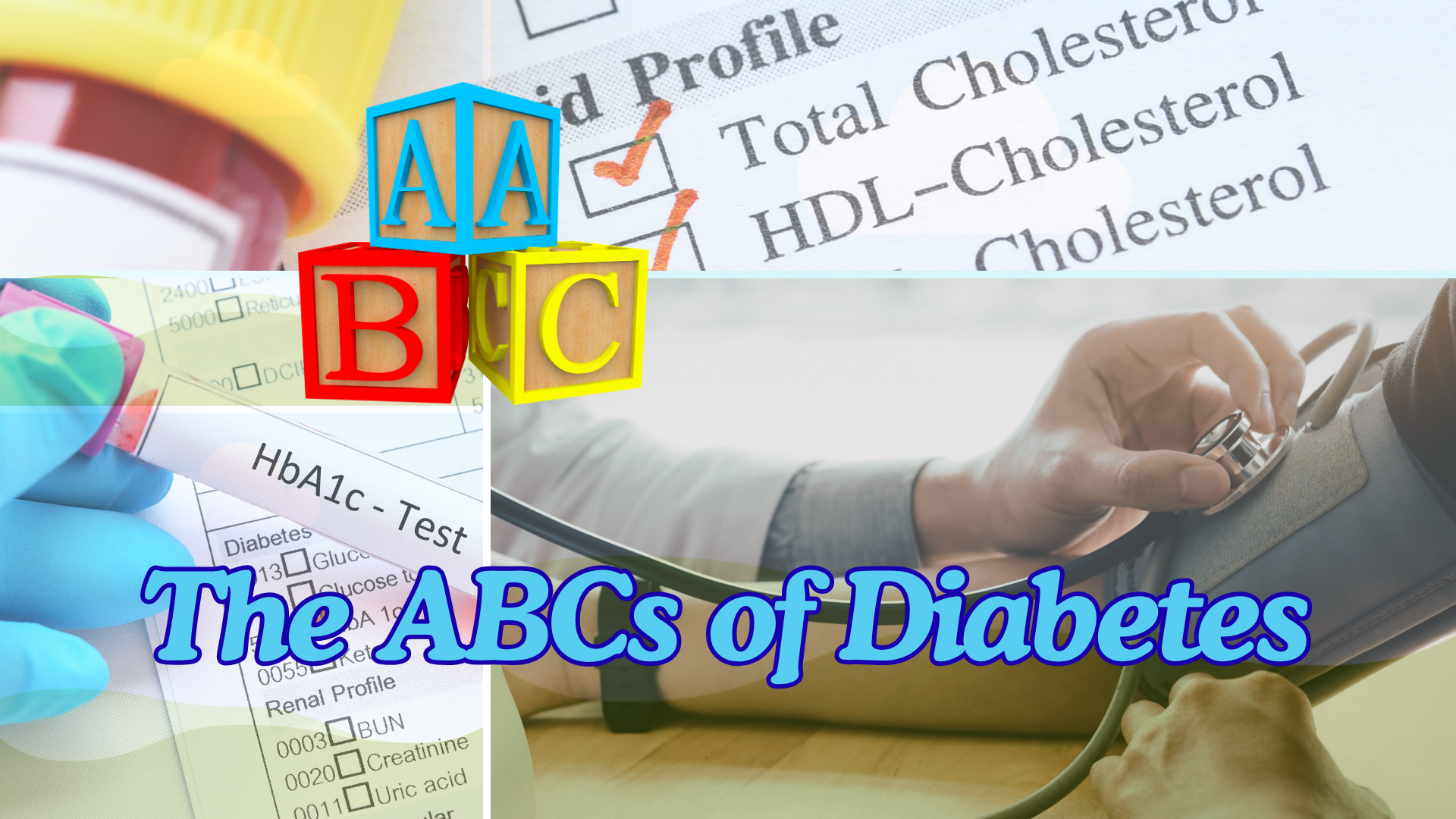
If you have diabetes, there are three important numbers you should know by heart. We call them the ABCs of diabetes. Think of them like the three legs of a stool – you need all three to stay balanced and healthy.
"A" is for A1C
Your hemoglobin A1C reflects your average blood sugar over the past few months. But instead of showing how you did on one day, it shows how you did over three full months!
Here's how it works: Sugar in your blood sticks to your red blood cells (like syrup sticking to your fingers). The A1C test measures how much sugar is stuck to these red blood cells.
The more sugar stuck to them, the higher your A1C number. Your A1C is reported as a percentage, and the lower it is, the better your blood sugar control.
What Should Your A1C Be?
In the United States, most doctors follow two main guidelines:
The American Diabetes Association says your A1C should be less than 7%.
The American Association of Clinical Endocrinologists says it should be less than 6.5%.
Here's an important tip: "Less than 7%" means you need to be below 7%, not at 7%. So if your A1C is 7.2% or 7.5%, you're still not at your goal.
Think of your A1C goal like a speed limit. If the limit is 60 mph, driving at 68 mph means you're over the limit – even if it's just by a little!
Every person is different, which is why it's important to talk with your doctor about what your goal should be. If your level is higher than it should be, you're not alone – your doctor can guide you on how to improve it.
These are general recommendations. Your A1C goal may differ based on your age, health, and treatment.
Measuring Your Blood Sugar at Home
If your A1C is 7%, your average blood sugar level is around 154 mg/dL. If you check your blood sugar with finger pricks and frequently see numbers above 154, your A1C is probably higher than 7%.
A continuous glucose monitor (CGM) can make testing easier. Instead of finger pricks (which is like taking snapshots of your glucose levels), a CGM is like making a movie of your blood sugar all day and night. These glucose sensors measure your sugar every 1 to 15 minutes automatically, depending on the model!
"B" is for Blood Pressure

Having diabetes means your heart needs extra care. High blood pressure and high blood sugar together are like a double blow to your kidneys and heart.
The American Diabetes Association indicates that a blood pressure of 120/80 mmHg or lower is considered within the normal, healthy range. Think of blood pressure like the water pressure in a garden hose. Too much pressure can damage the hose over time. The same thing happens to your blood vessels when your blood pressure is too high.
Every time you visit the doctor, they measure your blood pressure. If it's high, work with your doctor to bring it down. Your kidneys and heart will thank you!
"C" is for Cholesterol
Cholesterol and triglycerides are two types of fat found in your blood that can affect your heart health. Think of your blood vessels, or veins, like highways. Excess fat is like rush-hour traffic: the more it builds up, the harder it is for blood to flow freely – and over time, it can cause a dangerous blockage.
These blockages can cause serious problems:
A blockage in your brain = stroke
A blockage in your heart = heart attack
A blockage in your leg = deep vein thrombosis (DVT)
Managing Your Cholesterol
Here's something interesting: your body makes its own cholesterol! Animals do too, which is why animal-based products — like meat, eggs, and cheese — contain cholesterol. Plant-based foods like vegetables, legumes and seeds do not contain cholesterol, and they are a good source of fiber.
Some people are born with genes that cause their bodies to make extra cholesterol. If your family members have high cholesterol, you might too – even if you eat healthy and exercise. Talk to your doctor about your cholesterol and triglyceride levels, your medical history, and the steps you can take to stay healthy.
The Fiber Solution

There's a secret weapon: fiber! Fiber acts like a sponge in your body. High-fiber foods absorb extra cholesterol and help remove it. Where do you find fiber? In vegetables like:
Broccoli
Spinach
Carrots
Green beans
Lettuce
Bell peppers
Cucumbers
Note: Vegetables like potatoes, corn, peas, and sweet potatoes are starchy vegetables that can raise your glucose levels.
Know Your Numbers
Just like a student needs to know their grades, you need to know your numbers:
What is your current A1C?
What is your blood pressure?
What is your cholesterol level?
What should each of these numbers be for you?
Every person's diabetes is different. Your age, gender, type of diabetes, and other health conditions all affect what your target numbers should be. Your doctor knows you best and can help set the right goals for you.
Take Action
If you don't know your “ABC” numbers or your goals, your next step is simple: Ask your doctor at your next visit. Know your goals, write down your numbers and keep a record of them.
Managing diabetes is like tending a garden. You need to water it (monitor your blood sugar), pull the weeds (control your blood pressure), and protect it from pests (manage your cholesterol). Do all three and your garden will thrive!
Remember: You are not alone on this journey. Your healthcare team is there to help you succeed. Don't hesitate to ask questions and get the support you need.
Important Notice: This information is for educational purposes and is not intended as a substitute for medical care or medical advice from your doctor or healthcare team. Always talk to your doctor or healthcare team before making any changes to your diet, medications, or exercise routine.