
What Is a Continuous Glucose Monitor (CGM)?
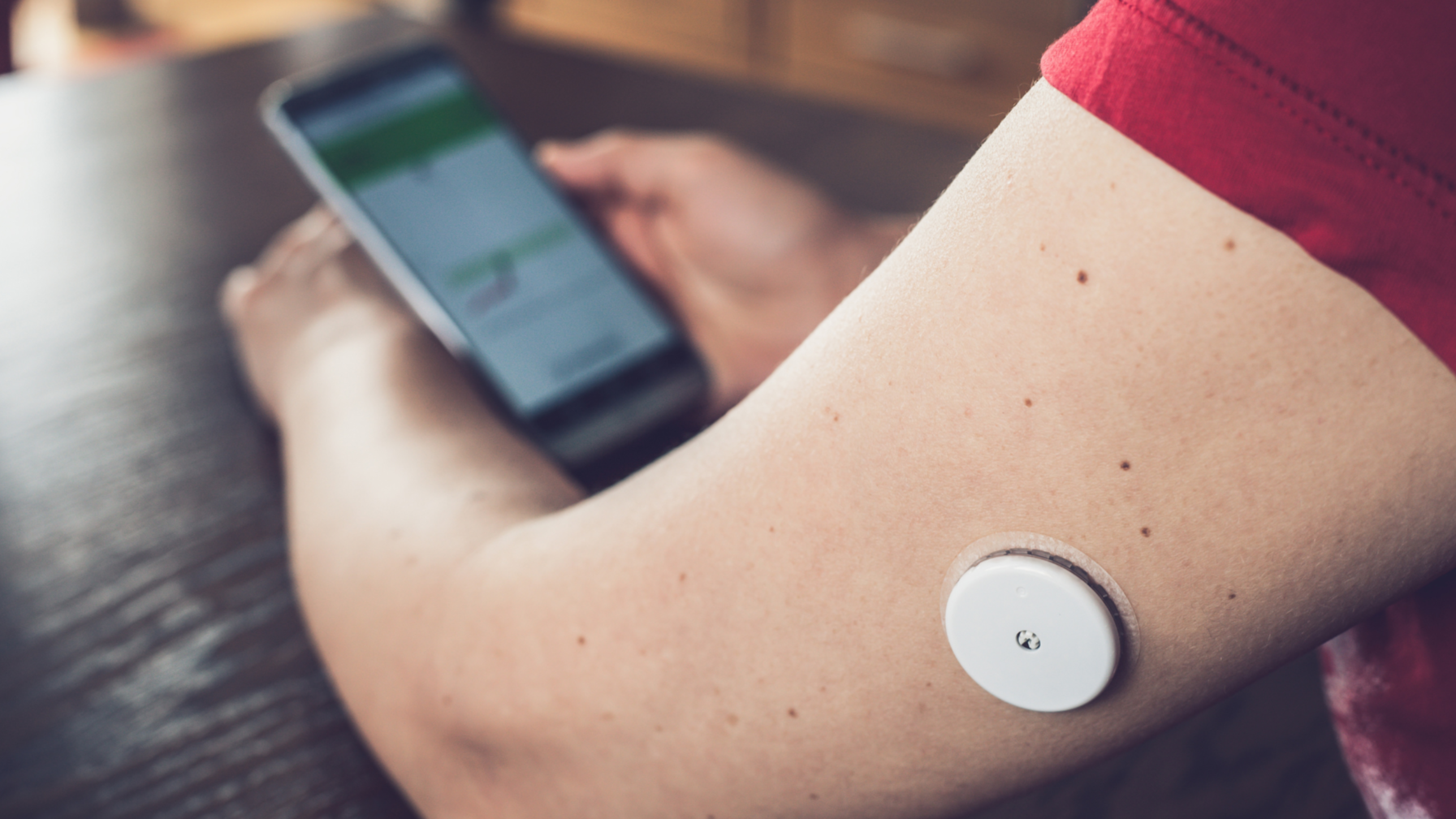
The basics about glucose sensors — explained simply
Introduction to Continuous Glucose Monitoring
In this post, we’ll explain what a Continuous Glucose Monitor (CGM) is.
We mentioned it briefly in our blog about when to check your blood sugar, but now we’ll go a little deeper.
A CGM is a small device that measures your blood sugar many times a day — without fingersticks!
It’s a helpful tool for people with type 1 diabetes, type 2 diabetes, or prediabetes.
A CGM helps you see your glucose patterns and whether your levels are going up or down.
Do You Need a Prescription for a CGM?
Yes — most CGMs require a prescription. They’re often covered by insurance if you have diabetes and take insulin.
Some insurance plans also cover them for people with type 2 diabetes, even if they don’t use insulin.
✅ Tip: Check with your insurance provider to learn what’s covered. There are also simpler sensors that you can buy without a prescription — we’ll talk about those later.
How Does a CGM Work?
A CGM system has three main parts:
Sensor – measures your glucose in real time
Transmitter – sends the data
Receiver or phone app – shows your glucose results on a screen
The Sensor
The sensor is a tiny, flexible filament that sits just under your skin. It has a special enzyme that helps measure glucose.
It’s inserted with a small needle and stays in place for 7 to 15 days, depending on the brand. There’s even one — the Eversense E3 — that lasts up to 365 days!
Most people wear it on the back of the arm, but children or teens may use the abdomen or hip. The sensor measures glucose in the fluid around your cells, not directly in your blood. That’s why readings may differ slightly from fingerstick tests.
The Transmitter
The transmitter sends the sensor’s information to your receiver or phone. Some sensors are all-in-one and disposable. Others use a rechargeable and reusable transmitter.
The Receiver or Your Phone
The receiver (could be a smartphone app) shows:
Your current glucose number
An arrow showing if your glucose is rising or falling
A graph of your glucose throughout the day
💡 NOTE: Many people now use a free phone app instead of carrying a separate receiver.
Prescription CGMs Available in the U.S.
The following CGMs require a prescription in the United States:
Dexcom G7 – dexcom.com
FreeStyle Libre 3 – abbott.com
Eversense E3 (365 days) – eversensecgm.com
Guardian Connect – medtronic.com
Visit the websites for details and talk to your doctor to find out which one is best for you.
Why Use a CGM?
A CGM gives you more information than a regular glucose meter.
It’s like watching a movie of your sugar levels instead of seeing just one photo.
💡 A CGM can record over 288 readings per day!
That helps you:
See if your treatment is working
Avoid high spikes or low drops
Understand how food, stress, or exercise affect your sugar
A CGM can be especially helpful if:
You were just diagnosed with diabetes or prediabetes
You have changed your treatment
You want fewer fingersticks
You want to learn your glucose trends and patterns
Are CGMs Reliable?
Yes!
Modern CGMs are very accurate and don’t need calibration with fingersticks. It’s normal to see a small difference (about ± 20 mg/dL) compared with a meter.
✅ What matters most isn’t each individual number or reading — instead pay attention to the trends: Is your sugar going up or down? When do you see this occur most?
Can a CGM Work with an Insulin Pump?
Yes!
Many CGMs connect directly to insulin pumps.
Together, they create automated insulin systems (AID) that adjust your insulin based on your glucose levels.
CGMs Without a Prescription (U.S.)
There are now sensors you can buy without a prescription, such as:
Stelo – stelo.com
Lingo – hellolingo.com
These are simplified versions designed for people with:
Prediabetes
Type 2 diabetes (who do not take insulin)
Or anyone interested in tracking their metabolic health
🛒 They’re also available on Amazon.
If you use our affiliate link, you’ll help support this blog — we may earn a small commission at no extra cost to you.
⭐ Final Recommendation
If checking your sugar feels hard, or if you want to understand your body better, trying a glucose sensor can help a lot.
You’ll see how your food, emotions, and daily habits affect your sugar — all without so many pricks!
Everyone with diabetes or prediabetes should try a CGM at least once. The information you gain can help you make better choices and improve your health long-term.
Talk to Your Doctor
As always, talk with your doctor or care team before using any medical device. They can help you choose the CGM that fits your needs and goals best.
Important Notice: This information is for educational purposes and is not intended as a substitute for medical care or medical advice from your doctor or healthcare team. Always talk to your doctor or healthcare team before making any changes to your diet, medications, or exercise routine.